A copper peptide serum showed up in my feed three times in one week, all from different accounts, all using the phrase "skin barrier repair" like it was a settled fact. That's usually my cue to go find out what's actually settled and what's just repeated a lot.
Copper peptides, specifically one called GHK-Cu, have a genuinely long research history. It's just mostly a wound-healing history, not a wrinkle-serum history, and that distinction matters more than the skincare aisle lets on.
Here's what I found once I looked past the marketing copy.
What Copper Peptides Actually Are
GHK-Cu is a naturally occurring tripeptide, glycyl-L-histidyl-L-lysine, bound to a copper ion. It was first isolated from human plasma back in 1973, and researchers noticed early on that it seemed to help stimulate tissue repair.
That early discovery kicked off decades of research into how GHK-Cu behaves in wound healing specifically. Lab and animal studies have shown it can stimulate collagen production, support glycosaminoglycan synthesis, and play a role in how skin remodels itself after injury.
None of that happened in a skincare serum. It happened in wound chambers, cell cultures, and lab models built to study tissue repair, which is a very different setting than a nightly serum on intact, non-injured skin.
What the Research Actually Shows
The foundational science here is real, and it's worth understanding before dismissing the ingredient entirely.
1993
Rat wound chamber model
The Finding
Injected GHK-Cu significantly increased collagen and glycosaminoglycan accumulation in wound tissue, with a concentration-dependent effect.
Journal of Clinical Investigation, 1993 · Animal wound-healing model, not a topical human skin trial
That's a real, foundational result, and it's part of why GHK-Cu ended up in cosmetic formulas in the first place. But an injected wound-healing study in rats doesn't tell us what a copper peptide cream does for a 35-year-old's forehead lines.
For that, we need the human studies. There aren't many, and the one that actually tested cosmetic-style use had a complicated result.
I don't think that gap means the product is a placebo and nothing more. Texture, hydration, and how skin feels day to day genuinely matter to people, even when a blinded evaluator's wrinkle scoring doesn't move.
It does mean the "clinically proven to reduce wrinkles" language you'll see on some copper peptide products is running ahead of what this specific trial actually found.
Why Copper Peptides Usually Show Up in Blends
You'll rarely find a serum built around copper peptides alone. Most formulas pair GHK-Cu or similar copper complexes with other peptides, like acetyl hexapeptides or octapeptides, rather than relying on one ingredient to do everything.
That's partly a formulation choice and partly an honest reflection of the evidence. The strongest research behind copper peptides is about tissue repair mechanisms, not a single measurable cosmetic outcome.
Pairing copper peptides with other peptides that have their own more direct signaling roles gives a formula more than one way to work.
Practical Takeaways
Practical Takeaways
- Treat "clinically proven" claims on copper peptide products with skepticism. The one relevant human trial found no measurable wrinkle improvement.
- Look for formulas that pair copper peptides with other peptides rather than leaning on copper alone.
- Copper peptides are generally gentle and low-irritation, which makes them a reasonable choice for the nights you're skipping retinol.
- Judge results by how your skin actually feels over a few months, not by a single ingredient name on the label.
One formula built this way:
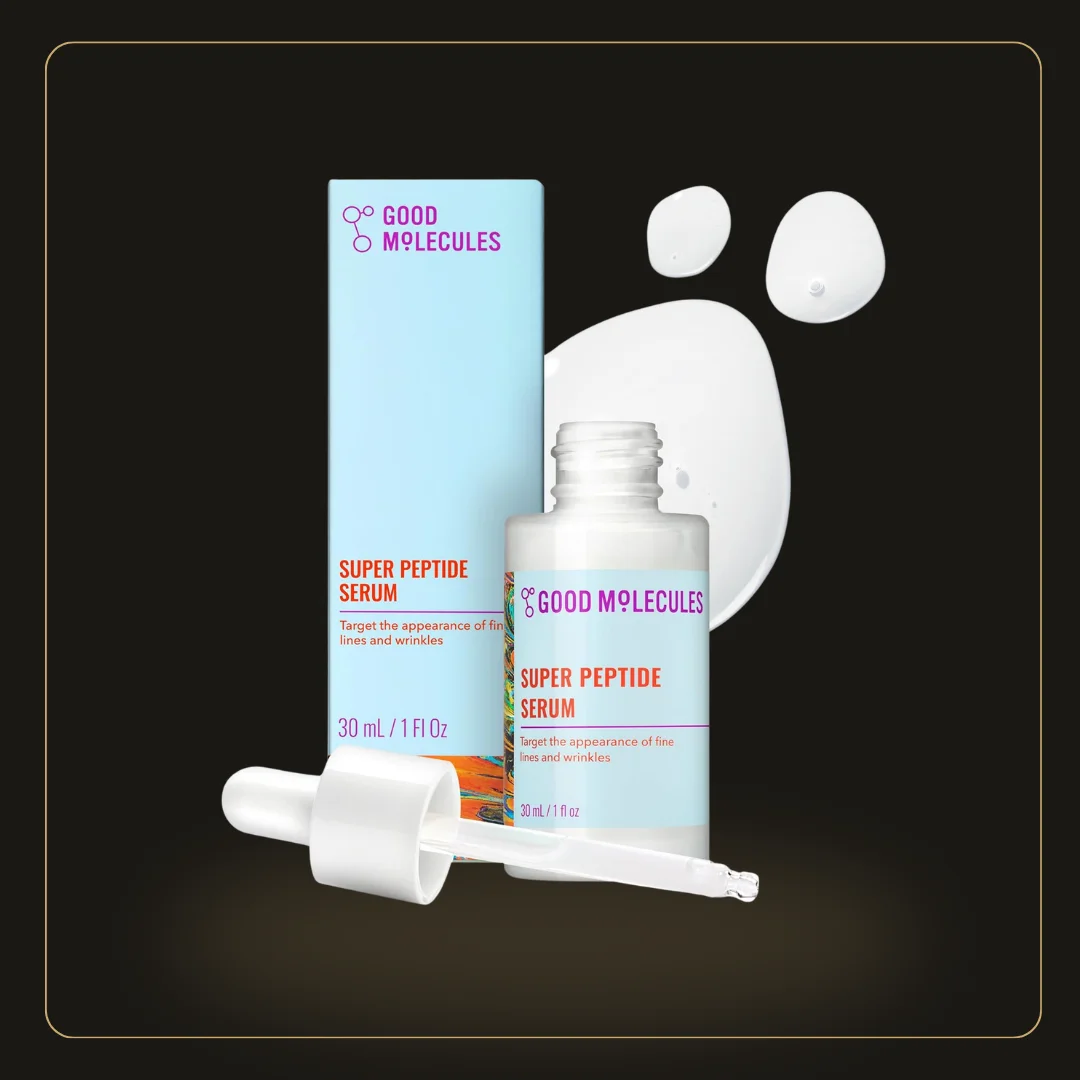
Good Molecules Super Peptide Serum
Copper tripeptides paired with acetyl hexapeptide-8 and acetyl octapeptide-3, rather than copper alone, in a fragrance-free, vegan formula built for daily use.
$12.00 for 1 fl oz (check current pricing)
Shop on Amazon →Where Copper Peptides Fit Into a Routine
Copper peptides work best as a supporting player, not the ingredient your whole routine is built around. They're gentle enough to use regularly and pair well with other actives, but the current evidence doesn't support treating them as a retinol replacement.
For the full lineup of options in this category, our best anti-aging serums guide covers copper peptides alongside retinol, NAD+, and vitamin C formulas side by side.
If you're deciding between a copper peptide serum and a straight retinol approach, our retinol serum vs peptide serum comparison breaks down the tradeoffs directly. And our anti-aging serum routine shows exactly where a gentler peptide step like this fits into a full week.
If retinol strength is more what you're after, our best retinol serums guide ranks seven options by strength and value.
And if you're curious how copper peptides stack up against another trending, evidence-still-catching-up ingredient, our piece on NAD+ in skincare covers similar ground from a different angle.
This article is for informational purposes only and does not constitute medical advice. Consult with a qualified medical professional for guidance specific to your situation.
Frequently Asked Questions
Do copper peptides actually reduce wrinkles?+
Can I use copper peptides with retinol?+
Are copper peptides safe for sensitive skin?+
Why do copper peptides show up in wound-care research?+
Disclosure: The Ritual Guide is reader-supported. When you buy through links on this page, we may earn an affiliate commission. We independently select and review every product — our recommendations are never influenced by brand partnerships. Learn more about our editorial process.